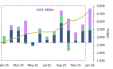
Central Bank Policy Concerns Support Gold In March
New York (Apr 17) Gold reached a new high for the year of $1,285 per ounce on March 11 when the European Central Bank (ECB) announced its upcoming plans, which include reducing rates on overnight bank deposits by 10 basis points to -0.4%, expanding quantitative easing to include corporate bonds in addition to sovereign bonds, and adding a new series of bank loans. Gold's gain reflects investors' worries over the financial risk and currency debasement that may come with negative rates, more printing of money, and relatively easy credit. Bloomberg reports that in February sovereign bonds issued primarily in Japan and Europe worth more than $7 trillion in U.S. dollars had negative yields. Meanwhile, Gluskin Sheff1 calculates the average yield on $23 trillion of global sovereign bonds outstanding has dropped below 0.7% for the first time in history.
The Potential Risks of Negative Interest Rates
Some of the potential risks of negative rates include: 1) the fundamental framework of the financial system is simply not designed to operate with negative rates; 2) providers of long-term services, like pension funds and insurance companies, have trouble meeting goals and expectations; 3) currency relationships and valuations become impaired; and 4) investors may disengage from the financial system. Comments from central bank officials seem oblivious to the dangers that gold investors see in the radical policies that are being promulgated. For example, ECB President Mario Draghi has said that he will do whatever is necessary to revive inflation. International Monetary Fund (IMF) Managing Director Christine Lagarde claims that the world economy would be worse off without negative rates and, additionally, that the finance sector may need to implement new business models. Following the March 29 speech to the New York Financial Club by Federal Reserve (Fed) Chair Janet Yellen during which she stated that the Federal Open Market Committee (FOMC) would still have considerable scope to ease policy if rates in the U.S. hit 0% again, the market lowered its expectation for further Fed rate increases.
Source: SeekingAlpha