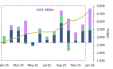
Gold miners stand out in tough times for sector
Johannesburg-South Africa (Feb 13) After all the turbulence global and domestic markets have been through in recent weeks, it was great to see continued gains on Wednesday in a week that has favoured emerging markets.
It was an easier day for local currency and equity markets, with the JSE ending 1.22% higher at 46,425.11 points from a close of 45,866.02 points on Tuesday. The rand at one point on Wednesday had firmed against the dollar to levels of about R10.92/$ before falling back to about R10.96/$ by late afternoon trade.
But the gold miners stood out. On the JSE they rallied more than 4.7% in the afternoon before ending the day 3.74% higher. Equity traders attributed this to bargain hunting amid lower prices.
It has not been an easy time for mining companies, especially with the lower commodity prices and sluggish global demand environment. Not to mention that the challenges are even greater for miners in South Africa given a unionised labour force and greater chance of strikes.
There are strikes in the mining industry and though gold miners have so far not been as severely affected as platinum miners, the chance is always there that strikes can spill over. After all, if some mine workers receive higher wages, what is to stop others from demanding the same thing?
Commodity prices have come under pressure given that global demand is not terribly exciting at this time.
Weaker economic growth in China has also contributed to softer commodity prices, though recent data indicating growth in that country could be slightly higher than expected this year. China’s exports beat expectations and climbed 10.6% year on year in January. Imports were also much better than expected and could be welcome news for commodity exporters like South Africa as it could imply slightly higher demand from China.
China is the world’s second-biggest economy and one of the world’s leading consumers of commodities. Forecasts by the International Monetary Fund that Chinese economic growth would slow to 7.5% this year from 7.7% last year were among factors contributing to the dip in prices.
Figures show that gold lost 28% of its value last year as market participants expected the US Federal Reserve (Fed) to reduce its monthly stimulus programme — the buying of bonds to pump liquidity into financial markets.
This reduction in stimulus tends to cause the dollar to strengthen against other currencies because market participants gauge this as the Fed’s way of expressing confidence that US economic growth is gaining some speed.
(Source: bdive South Africa)