Gold price slides to two-week low as dollar rises
New York (Jan 26) Gold fell to a two-week low on Thursday as the dollar firmed, U.S. Treasury bond yields rose and equity markets rallied, but expectations that the greenback's climb may be coming to an end helped limit losses.
Spot gold prices were down 0.6 percent at $1,192.47 an ounce at 1136 GMT, from an earlier low at $1,191.18. U.S. gold futures fell 0.5 percent to $1,191.8.
A stronger U.S. currency makes dollar-denominated commodities more expensive for holders of other currencies, potentially curbing demand, while higher Treasury yields mean U.S. bonds are cheaper for investors who want an alternative to gold.
"The dollar is a little bit stronger this morning, yields
are up a bit and that's why gold is below 1200," said Julius
Baer analyst Carsten Menke. "But overall the appreciation of the
dollar seems to have stalled, we could see a reversal."
While equities and Treasury yields have continued to rise,
fuelled by U.S. President Donald Trump's signals that he plans
to increase public spending, expectations of a boost to growth
have recently had a diminishing impact on the dollar.
"We suspect that gold could come under further pressure
again on Thursday as the follow-through from the U.S. stock
rally reverberates through into other global markets," INTL
FCStone said in a note.
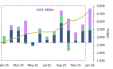
Investors abandoning gold can be seen in the holdings of
SPDR Gold Trust, the world's largest gold-backed
exchange-traded fund, which fell 0.6 percent to 799.07 tonnes on
Wednesday.
Also undermining sentiment was weak physical demand in India
due to higher prices, while Chinese demand is weaker ahead of
the Lunar New Year holiday, traders said.
Spot silver fell 0.7 percent to $16.83, platinum
ceded 0.2 percent to $975.99. Palladium slid 0.3
to $726.9, after earlier touching a three-week low at $721.35.
It fell more than 7 percent on Wednesday, its worst one-day fall
since April 2013.
Palladium is used in autocatalysts and has been boosted by
expectations of stronger demand for cars but the outlook for
growth is now less bright.
"Car ownership rates in the U.S. peaked a couple of years
ago, which means most of the cars sold are just replacement
demand," Menke said. "China has cut car subsidies so sales there
will probably be lower this year."
China's vehicle sales jumped 13.7 percent in 2016, the
fastest pace in three years, thanks to a tax cut on small-engine
cars but growth is expected to slow this year as the incentive
is reduced.
Source: Reurters