Gold price falls after strong US jobs report
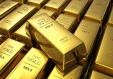
New York (July 11) The spot price fell in early trading in London today due to stronger-than-expected data in a US jobs report published last week.
Oil price falls due to economic weakness in Asia
The price of gold was last at $1,358.83 per ounce at 11:15 BST, down $11.17 on the previous close. Trade has ranged from $1,357.43 to $1,373 so far.
On Friday, non-farm employment data showed that the US created 287,000 jobs last month, massively exceeding analysts' expectations.
Jobs watchers expected Friday's report to show a rebound from May's unexpectedly weak growth, but the June number has "easily topped expectations," says CNBC.
The data has "lessened immediate concerns about the health of the US economy," says Bullion Desk, "but market participants believe it was not strong enough for the Fed to lift rates in the next few months."
Most say that interest rates are likely to hold until at least June next year, according to CME Group FedWatch.
Other precious metals were fairly stable. Silver was last at $20.38 per ounce while Platinum was up $1.50 at $1,100.
"All the precious metals have run into some selling as this morning has progressed and, although gold and silver are looking robust, profit-taking remains a risk," FastMarkets's William Adams said.
Gold at two-year high and could hit $1,900 - or fall to $1,115
Gold surged to a new two-year high overnight and was holding its ground this afternoon in London, as central banks moved to adopt looser monetary policies designed to encourage growth after the shock of the Brexit victory.
UK interest rates: Bank of England prepares to slash interest rates
Oil price falls due to economic weakness in Asia
In Singapore, the spot price hit a high of $1,352 an ounce and was hovering at around $1,350 in the final two hours of London's trading session.
Ahead of the result of the UK EU referendum on 23 June, when most people were still betting on a Remain victory, the gold price was almost $100 an ounce lower.
A widespread belief that the UK, EU and world economy could all suffer a sharp slowdown has prompted a rush to perceived safe havens such as gold, despite a rebound in traditionally negatively-correlated assets, including equities and the dollar.
Offsetting these factors is a growing view that interest rates, which are arguably the primary counterweight to gold, are set to stay lower for longer – and could even fall further.
On Friday, Bank of England governor Mark Carney signalled that UK interest rates could be cut to a new record this summer to boost demand.
The Wall Street Journal says it also expects action from the Chinese central bank in response to weak demand data. Elsewhere, the Bank of Japan could cut already negative rates again while the US Federal Reserve is expected to stand still until the effects of Brexit become clearer.
Higher rates tend to damage gold as they boost returns of rival assets and increase the opportunity cost of holding the non-yielding metal. Lower rates are almost always a boon to the gold price.
Given this accommodative policy position and ongoing economic uncertainty, gold could advance further in the coming weeks. Oversea-Chinese Banking Corporation is predicting a short-term rise to $1,400 an ounce.
Juerg Kiener, the chief investment officer of Swiss Asia Capital, told CNBC that the gold price could go on a prolonged rally and surpass its record level of $1,900 an ounce over the next 18 months.
On the other hand, a lack of focus on fundamentals and a greater focus on wider market sentiment means the price will remain volatile, says Credit Suisse's investment strategist Jack Siu. He's predicting gold will fall back to $1,115 over the next 12 months.
Source: Reuters