Gold and silver refuse to flinch
NEW YORK (January 9) Although volatility has been elevated, both gold and silver have started the new year on solid footing as they look to end the week at critical resistance points.
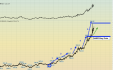
Bullish momentum has pushed gold prices to $4,500 an ounce, up nearly 4% since last Friday, while silver is within striking distance of $80 an ounce and looking to end the week with a nearly 10% gain.
The resilience of silver has been particularly impressive as short-term downside risks have started to pile up in the marketplace. The gray metal has bounced back from its sharp drop last week after the CME Group raised margin requirements to tamp down speculative momentum.
Meanwhile, both gold and silver will be extremely sensitive to annual index rebalancing. Indexes like the Bloomberg Commodity Index (BCOM) and S&P GSCI Index hold a basket of commodities like oil, copper, wheat, and of course, gold and silver. An asset’s weighting in the basket can depend on various factors like liquidity or global production size. Gold represents about 14% of BCOM and 3% to 4% in the S&P GSCI. Silver represents about 9% of BCOM and 1.5% of GSCI.
Last year gold prices rallied more than 60% and silver prices rallied close to 150%, which increased their weighting — and now the positions have to be rebalanced. According to some estimates, commodity indexes have to sell roughly $5 billion in gold and silver to rebalance the weighting.
However, the good news is that this rebalancing will be finished next week, and despite the downside risks, many analysts have said that the broader fundamentals supporting the metals remain firmly in place. For many analysts the play book that they were using last year remains relevant, which means dips will be bought fairly quickly.
Index rebalancing may not make headlines, but it has a habit of reminding markets who is really in charge.
Specifically for silver, it is difficult to see any significant downside as industrial consumption and investor demand continue to compete for dwindling supplies. No silver mine can be built in the next couple of months to alleviate the ongoing supply crunch — no matter how much the market might wish otherwise.
Market liquidity will improve if the stockpile of silver in the U.S. starts to flow to other markets like London; however, this doesn’t solve the fundamental problem: There is just not enough silver to meet persistent demand.
In this environment, there are growing expectations that silver prices could easily hit and surpass $100 an ounce.
Meanwhile, gold remains the ultimate geopolitical safe-haven, especially as the U.S. government looks to pursue a new international policy of ‘might makes right.’ Analysts expect this new gunboat diplomacy and the weaponization of the economy will continue to force nations to diversify away from the U.S. dollar.
If you have been following our Outlook 2026 coverage, you’ll know that many analysts are expecting that it's only a matter of time before gold prices reach $5,000 an ounce this year.
The final piece to gold and silver’s bullish outlook remains with the U.S. central bank. Markets are not expecting the Federal Reserve to cut interest rates later this month; however, as the labor market continues to cool, analysts have said that it's only a matter of time before interest rates fall. The only question that remains is how steep the decline will be.
Looking ahead into the new year, the only thing that I predict is that it won’t be boring.
Welcome to 2026 - buckle up. Judging by this first week, the seatbelt sign is staying on.