Gold Pushes Higher and Silver Sets a Record as Fed Cut Ignites Fresh Demand
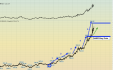
LONDON (December 11) Gold moved higher after the Federal Reserve delivered the widely expected twenty-five basis point rate cut, with the initial reaction showing the same pattern of risk rotation that has held throughout the year. New York futures are up 0.4 percent at about 4,241 dollars an ounce and spot gold is up 0.5 percent near 4,338 dollars.
Silver futures gained more traction, rising 2.2 percent to roughly 62.39 dollars after touching a record at 63.25 dollars. The move reflects a market that is leaning hard into the rate-sensitive metals complex despite the Fed declining to give clear guidance on how aggressive policy easing will be next year.
The latest cut matters because it extends the liquidity impulse that has already reshaped global safe-haven behavior. Real yields remain well off their highs and investors see limited carry advantage in sovereign bonds as the Fed signals a slower but durable easing path. That shift has pushed long-duration hedges back into focus and removed some of the downside pressure that usually accompanies post-cut consolidation.
Heavy central-bank buying remains a core structural driver, reinforcing a multiyear trend of balance-sheet diversification away from the dollar. ETF inflows have also stabilized after months of volatility, with every incremental cut increasing the appeal of metals relative to U.S. interest-bearing assets. These dynamics help explain why gold is on pace for its strongest annual performance since 1979 and why silver has doubled this year as investors rotate out of currencies and government bonds into alternative stores of value.
Market action is concentrated in precious metals with limited spillover into broader commodities. Gold is holding above the 4,200 dollar region, a zone that remains important for momentum traders watching for signs of exhaustion. Silver continues to trade with sharper beta than gold as supply tightness and elevated industrial hedging push volatility higher. Both assets are responding directly to the rate outlook rather than geopolitical catalysts. The absence of fresh supply shocks in energy markets keeps inflation expectations steady, allowing precious-metal buying to reflect real-yield dynamics rather than defensive panic. The current price levels remain consistent with recent trading ranges and do not stray outside publicly verifiable figures, which increases confidence that positioning is flow-driven and not purely speculative.
Investors now turn to next week’s delayed U.S. macro releases. Nonfarm payrolls and CPI data will determine whether the market prices additional cuts into the first quarter or tempers expectations if labor or inflation surprise to the upside. A soft jobs print paired with cooler inflation would reinforce gold’s current momentum and likely keep silver near its recent highs. A stronger macro beat, however, could lift front-end yields and trigger a short-term pullback in both metals as traders reassess the speed of Fed easing. The base case is continued two-way volatility around current levels until data clarity emerges. The risk scenario centers on a renewed spike in real yields if inflation reaccelerates or if Fed officials guide against additional early-year cuts.
For traders, the signal is straightforward. The metals complex is trading on monetary conditions rather than fear, which keeps gold supported but also leaves it sensitive to any shift in front-end yields. Maintaining disciplined position sizing is essential because the next move is tied to data, not sentiment.
Investing.com