Fed's Waller: Don't expect current oil price shock to have persistent impact on inflation
NEW YORK (March 6) Rising gas prices following the U.S. launch of airstrikes against Iran may be a shock to the consumer, but the global jump in oil is not likely to lead to persistent inflation or warrant a change in monetary policy, U.S. Federal Reserve Governor Christopher Waller said on Friday.
"You're going to see a spike in gasoline prices. That's what American citizens are going to see when they go to the pump, and they're going to stare and be a little shocked," Waller said on Bloomberg Television. "If it's unwound in ... a couple of weeks or even two months, it's not going to be a big factor down the road."
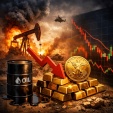
Oil prices have surged to nearly $90 a barrel versus $72 before President Donald Trump began an open-ended air assault on Iran to replace the country's hardline Islamist government. U.S. gas prices have risen around 10% from just under $3 a gallon to $3.32.
Gas prices have traditionally had an outsized impact on U.S. consumer sentiment, but Waller said for the Fed the expectation is that the price shock will be relatively short-lived, unlike the oil disruptions of the 1970s that came in successive waves that never allowed prices to recover.
"This is...more like a one-off event," Waller said of the current rise in oil prices. The ebbs and flows of oil prices, as well as some other commodity based products like food, are one reason the Fed focuses on "core" inflation that excludes those volatile items in trying to hit the 2% inflation target.
Trump has put no timeline around the conflict. Shipping through the critical Strait of Hormuz has all but stopped, and some regional officials have warned of further price rises depending on the success of Iranian counterattacks and how long the conflict persists.
Markets have become more skeptical about the likelihood of further Fed rate cuts.
Waller said the main risk to the Fed's outlook is if the oil shock "becomes more permanent...Then it'll start bleeding through to other parts of the economy."
KitcoNews